Higher Growth
Reflect on (differentiate) your thoughts and actions in each encounter, and if they were Minus, turn them into Plus in practice. Those choices add up and consciousness grows.
The Mathematics of Character Education
Pick a situation card or bring your own case, and get step-by-step AI feedback in about 3 minutes.
Try it right below ↓Does it really work?See real classroom casesTeacher–student dialogues, and how students actually changed.
See the cases →I want to understand itLearn the methodThe coordinate plane of consciousness, the three solutions and the 3S Questioning Method on one page.
Read the method →The x-axis represents ‘action’ driven by good thoughts, and the y-axis represents ‘consciousness’ grown through those actions. Depending on the choices (+, −) you make in every encounter, your consciousness rises into the Plus Zone or falls into the Minus Zone.
The Calculus of Life — Every momentary choice (dy/dx) accumulates (∫) to shape the trajectory of your entire life.
Truthfulness, honesty, sincerity, diligence, love, consideration, understanding, forgiveness. No matter how hard it gets, never go back to Minus; choose Plus again.
Neither love nor hate—no change (+1−1=0). Good deeds without reflection leave consciousness unchanged.
Lies, deception, laziness, hatred, resentment, complaining, arrogance. Blaming circumstances (“I ended up like this because of that”), you keep choosing Minus.
Plus, Zero and Minus are not labels for a child or for feelings; they are standards for reflecting on our thoughts and choices in the moment. We do not divide feelings into good or bad—we help children understand their feelings and then choose their next thoughts and actions for themselves.
Reflect on (differentiate) your thoughts and actions in each encounter, and if they were Minus, turn them into Plus in practice. Those choices add up and consciousness grows.
Redesign how you see feedback so every challenge becomes learning. Each relationship crisis you work through leads to deeper ‘mutual growth’.
Learn more →A core approach in PLUSZONE Education that helps you see yourself objectively, clarify your direction, and take ownership of your life.
Why did I think and act that way?Discovering the root causes of unconscious thoughts and emotions
Are my thoughts and actions Plus or Minus?Reviewing my own standards and choosing the values to put into practice
So, what should I do now, and how?Naturally putting the chosen standards into action
Not sure what to say when a student is late, upset, or in conflict with a friend? Practice the 3S (3-Step) Questioning Method with classroom situation cards and get instant AI feedback—or work through your own classroom concern right now. No sign-up required.
At break time, Minjun storms back into the classroom after arguing with a friend.
※ Student names are pseudonyms.Choose one
Short videos of real student guidance cases from the classroom.
Through “phone check-in” practice with his teacher, a student built real self-control.
By apologizing for a hasty judgment and hearing both sides, the teacher helped two students see their mistakes and make up.
Home and school worked together so a student could build an on-time morning routine.
Discovering that playing together matters more than winning, a student learned to manage the feeling of losing.
When a child who had lost friends through anger tried hard to be considerate, classmates were the first to pat him on the shoulder.
Understanding and forgivenessA child often late from gaming kept handing in the phone by choice, and by the second semester could manage alone.
The power to judge for oneselfA child who came to the teacher alone every period grew into one who came with friends and a brighter face.
Friendships and emotionsA class president who only did his own work began helping classmates clean, and they chose him as their leader.
The value of love※ All student names are pseudonyms.
After the final exam, Jinsu claimed an answer had been marked wrong — but the answer, originally 1, had been changed to 4.
Teacher: Jinsu, mark it yourself. A score you get by cheating isn’t your real ability. I hope you make the brave choice that lets you stand tall.
(A moment later, Jinsu brings back the answer sheet with a cross on it.)
Teacher: Thank you for choosing honesty.
What changed: Jinsu left with a proud, bright face. It never happened again.
“Why isn’t it right? Who would it hurt?” — questions instead of a lecture, and Cheolsu decided for himself.
Read case →Case 3 · Beomsu, 6th gradeThe real reason, heard by askingOver a month of correction changed nothing. One genuinely curious question finally let him share what was inside.
Read case →* All student names are pseudonyms.
“Instead of teacher-centered discipline, I learned the questions students truly need to solve problems and grow in character, and came to know what real guidance is. I’ll never forget the joy of first changing a student with the 3S (3-Step) Questioning Method.”— Kim ○○, elementary school teacher
“I learned that guidance must go beyond simple discipline and address root causes based on value standards. Instead of my old habit of resenting students, I now understand their side first, with a heart of helping and caring.”— Lee ○○, high school teacher
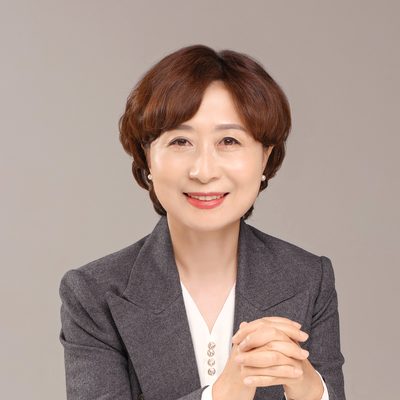 Kim Kyeong-HyiSchool Health Teacher, 34 years · Bachelor’s Degree in Nursing · M.Ed. in Educational Counseling
 Kim Hye-JinElementary School Teacher, 22 years · Master of Education in Educational Counseling · Completed Doctoral Coursework in Education
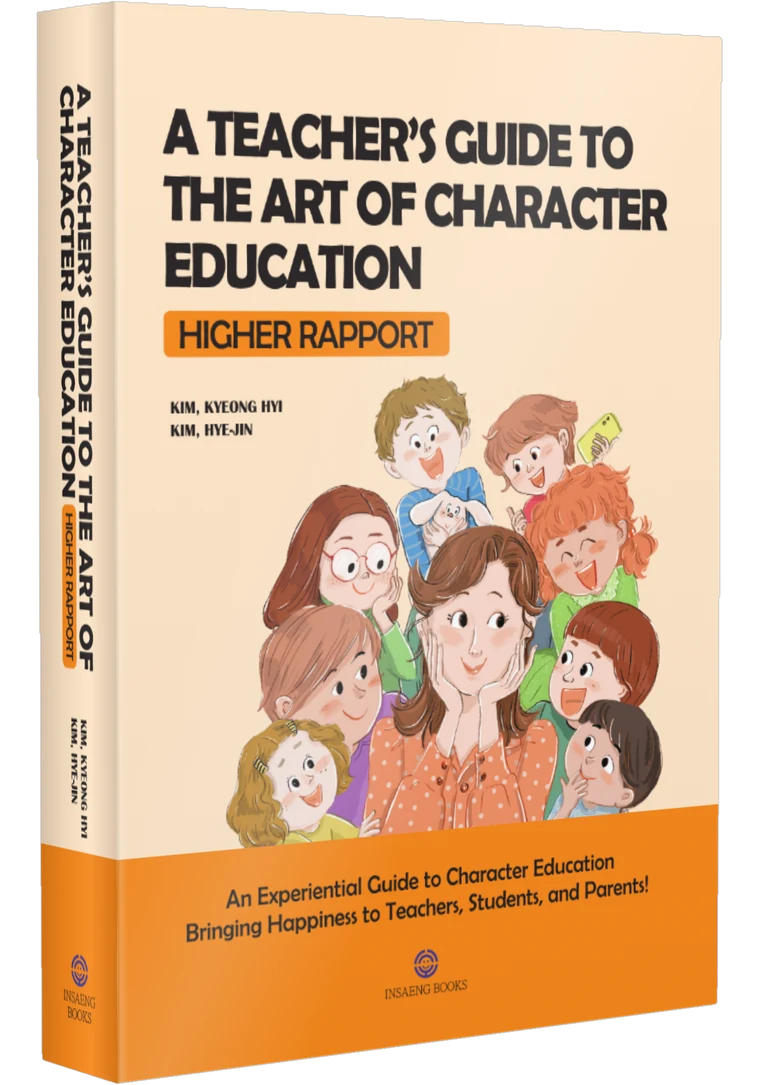
A Teacher’s Guide to the Art of Character Education
Kim Kyeong-Hyi · Kim Hye-Jin · Insaeng Books
A health teacher of 34 years and an elementary teacher of 22 years share what they learned through years of trial and error—from the principles of the 3S Questioning Method to real classroom dialogues.
Explore the Book → EDUCATION KOREA 2027
Publisher & program operator · PLUSZONE EDUSOLUTION